Platform for Connectomics Research
Explore large-scale neural wiring diagrams and 3D reconstructions in the browser
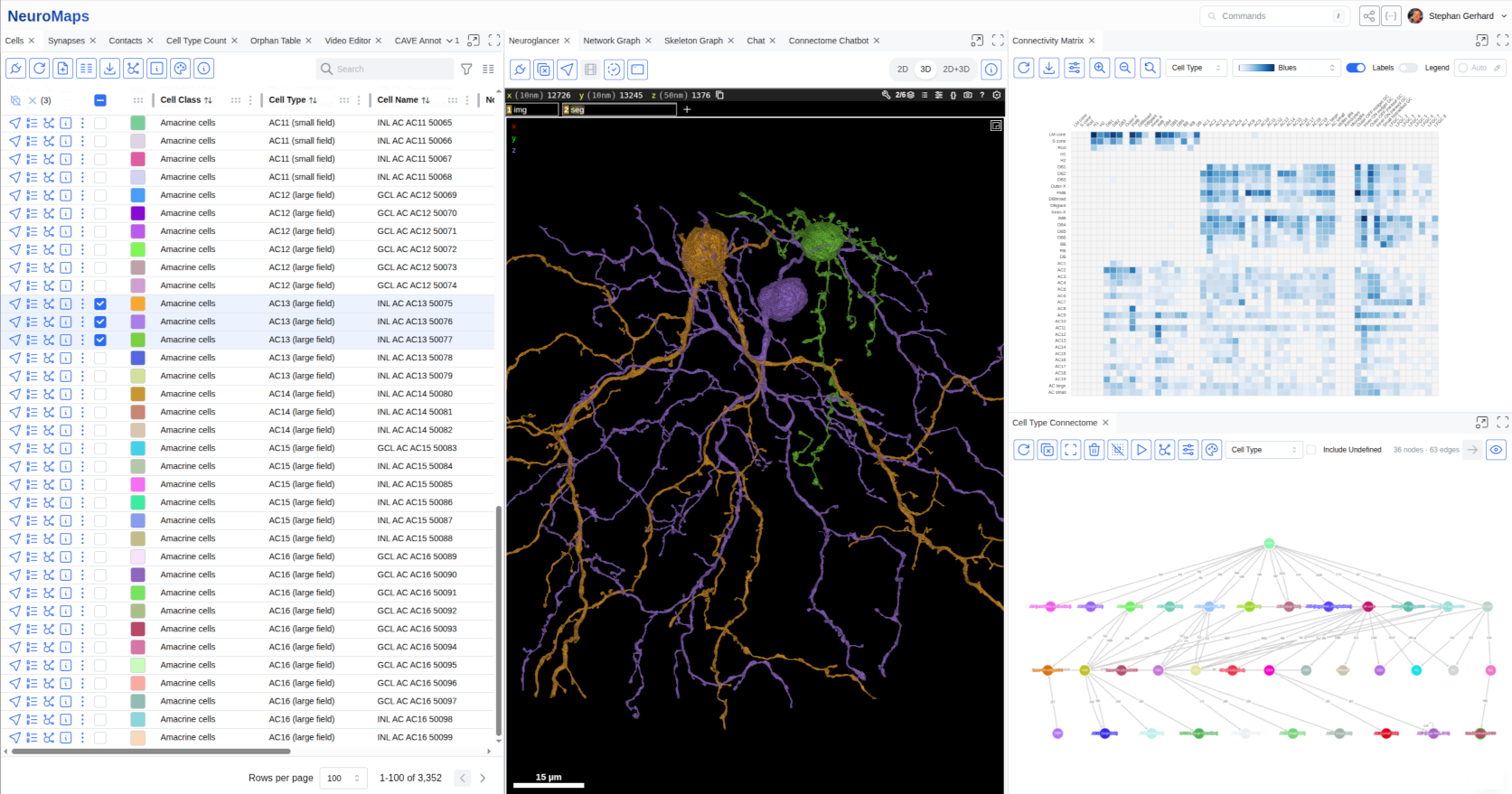
Connectome Exploration Workspace
Neuroglancer, cells table and network graph side by side.
Enabling Global Scientific Collaboration
Transform raw EM volumes and segmentation data into accessible, scientific workspaces. Build consensus, allow browser-based visualization, and bridge resources across international teams.
Remote Dataset Exploration
Zero-install web-based exploration, rendering, and interaction with massive petabyte-scale 3D volume, segmentation, and synapse datasets.
Comparative Connectomics
Explore neural circuits across species and within the same species.
Shareable Configurable Workspaces
Save, load, and share your exact workspace layout, visible neurons, camera viewpoints, and customized widget with their state with colleagues.
Advanced Tools
Special purpose workspaces enable powerful tools around cross-dataset mappings, finding genetic lines for your neurons of interest and more.
Public Version
Core widgets available to everyone for exploring public datasets
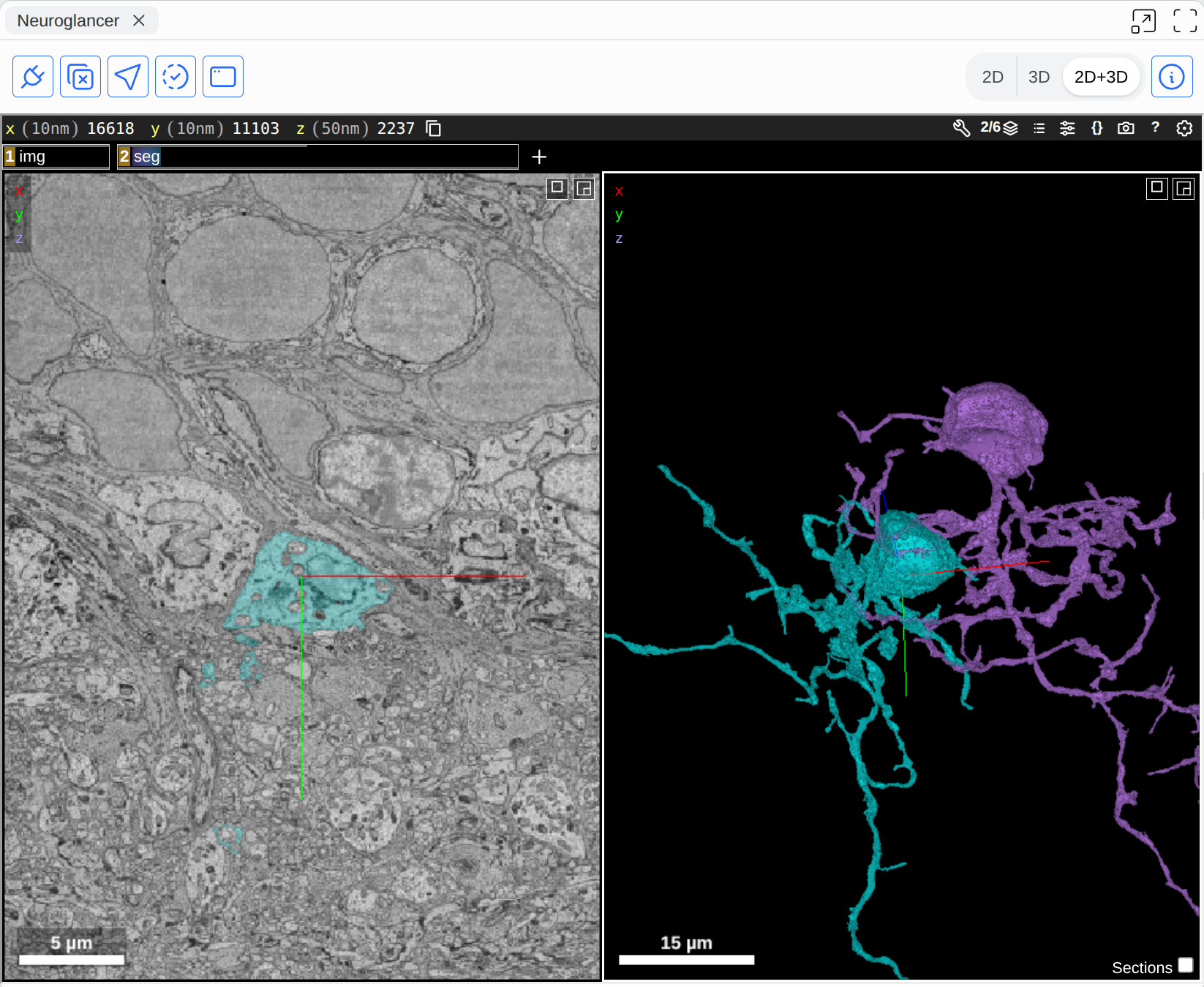
Full-featured Neuroglancer integration for 3D connectome exploration.
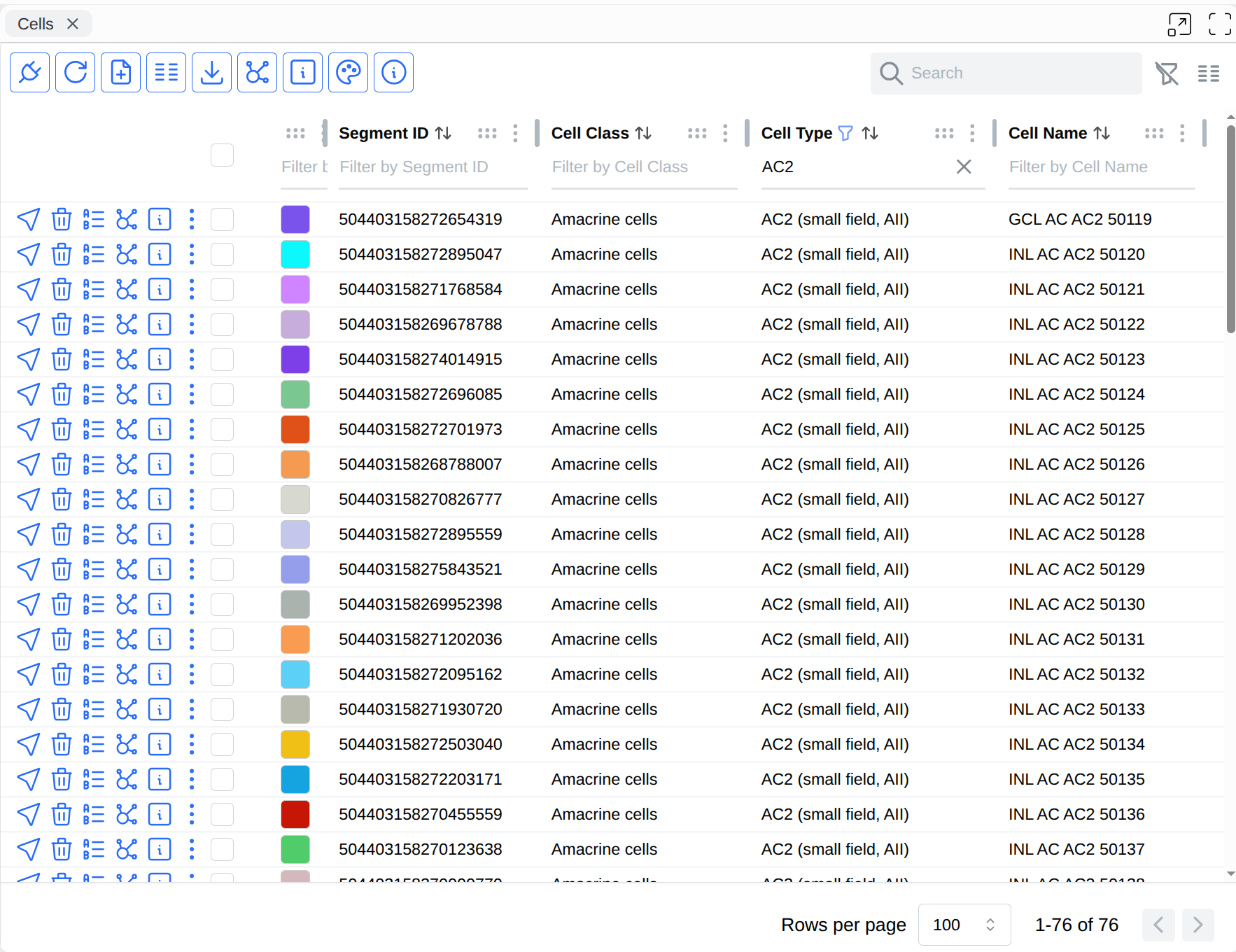
Browse, filter, and edit the full cell annotation table.
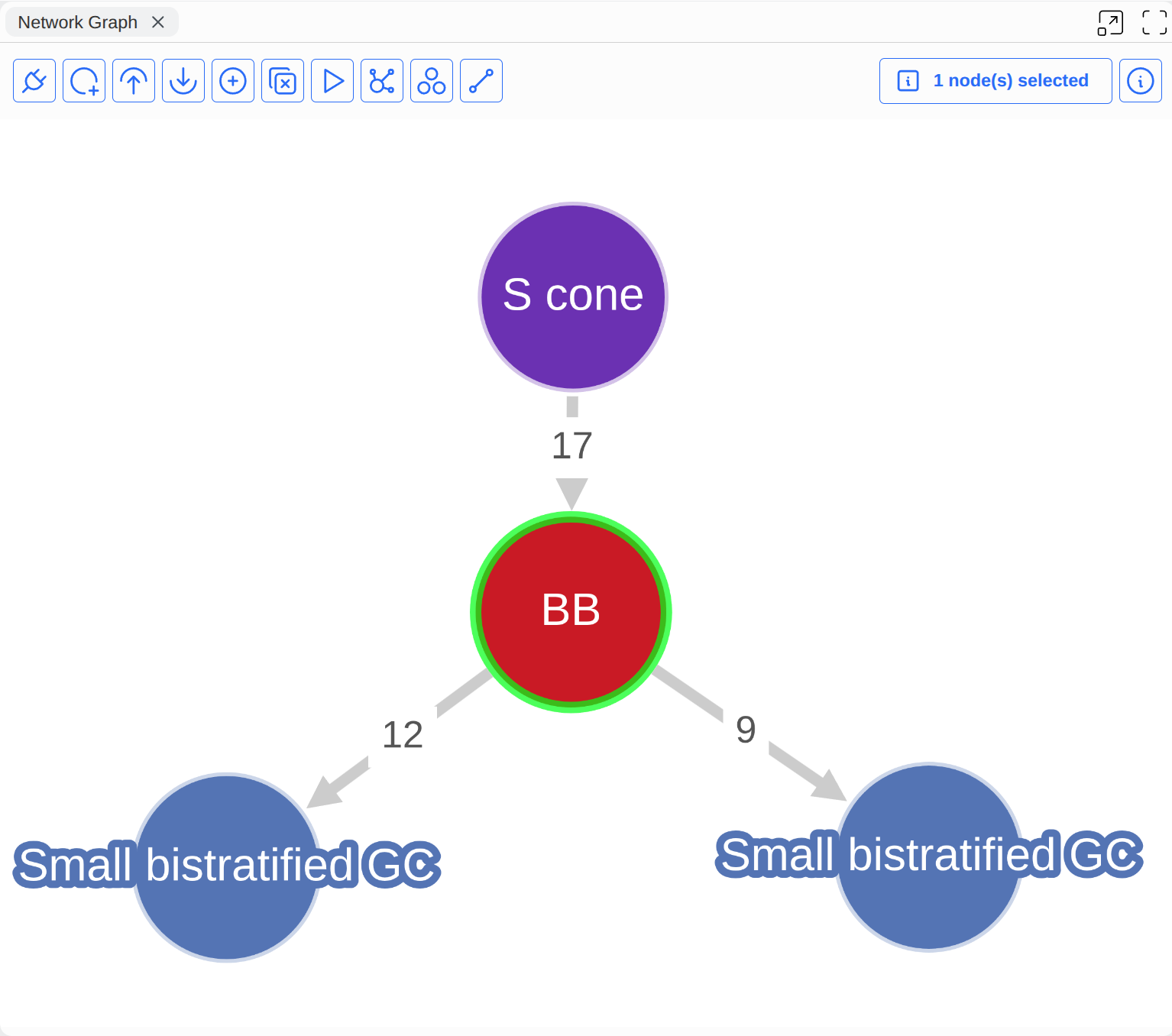
Interactive Cytoscape.js graph of cell connectivity.
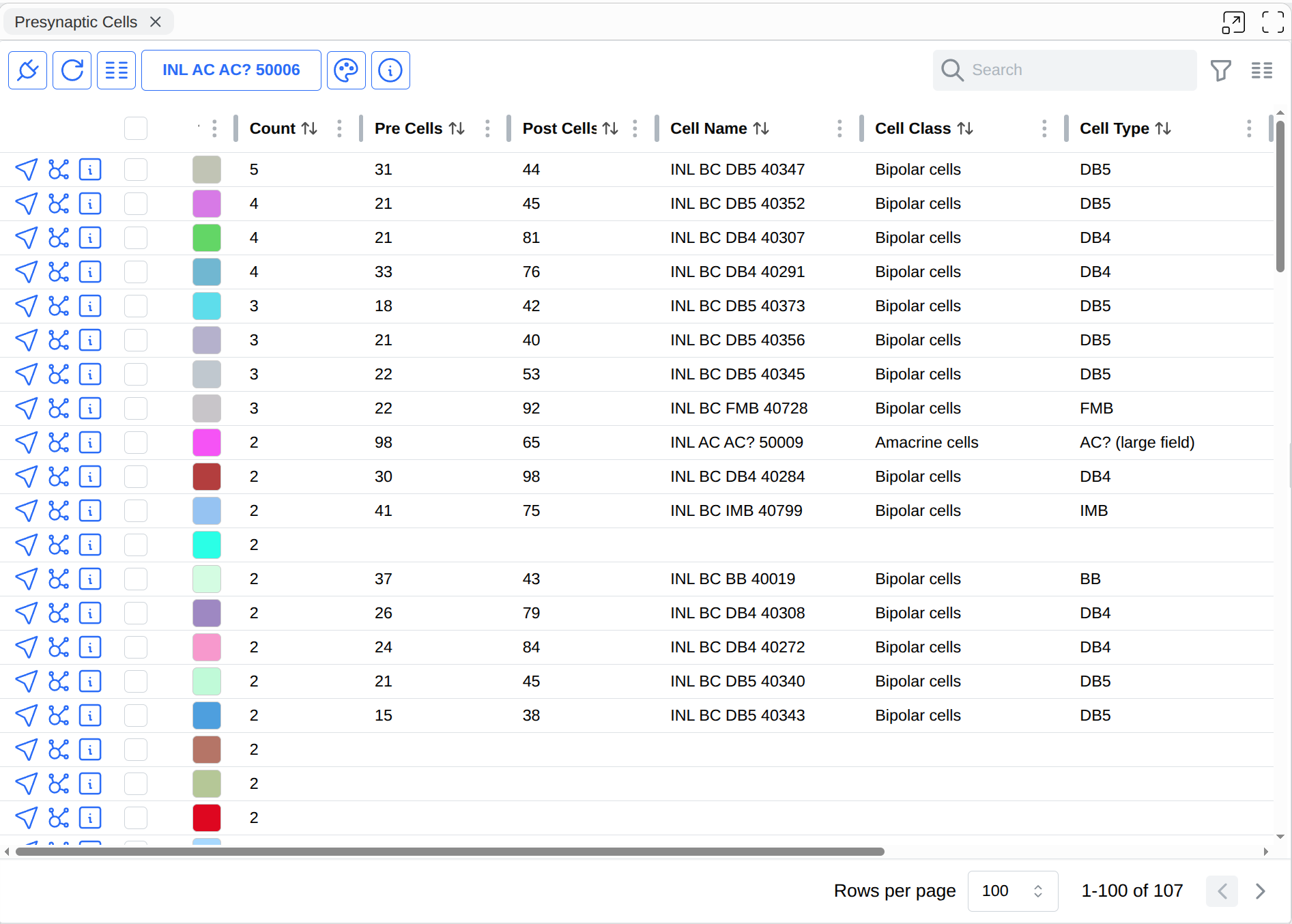
Tabular view of upstream/downstream synapse partners and counts.
Professional Version
Power connectomics research in your lab with advanced widgets and tools with the professional subscription
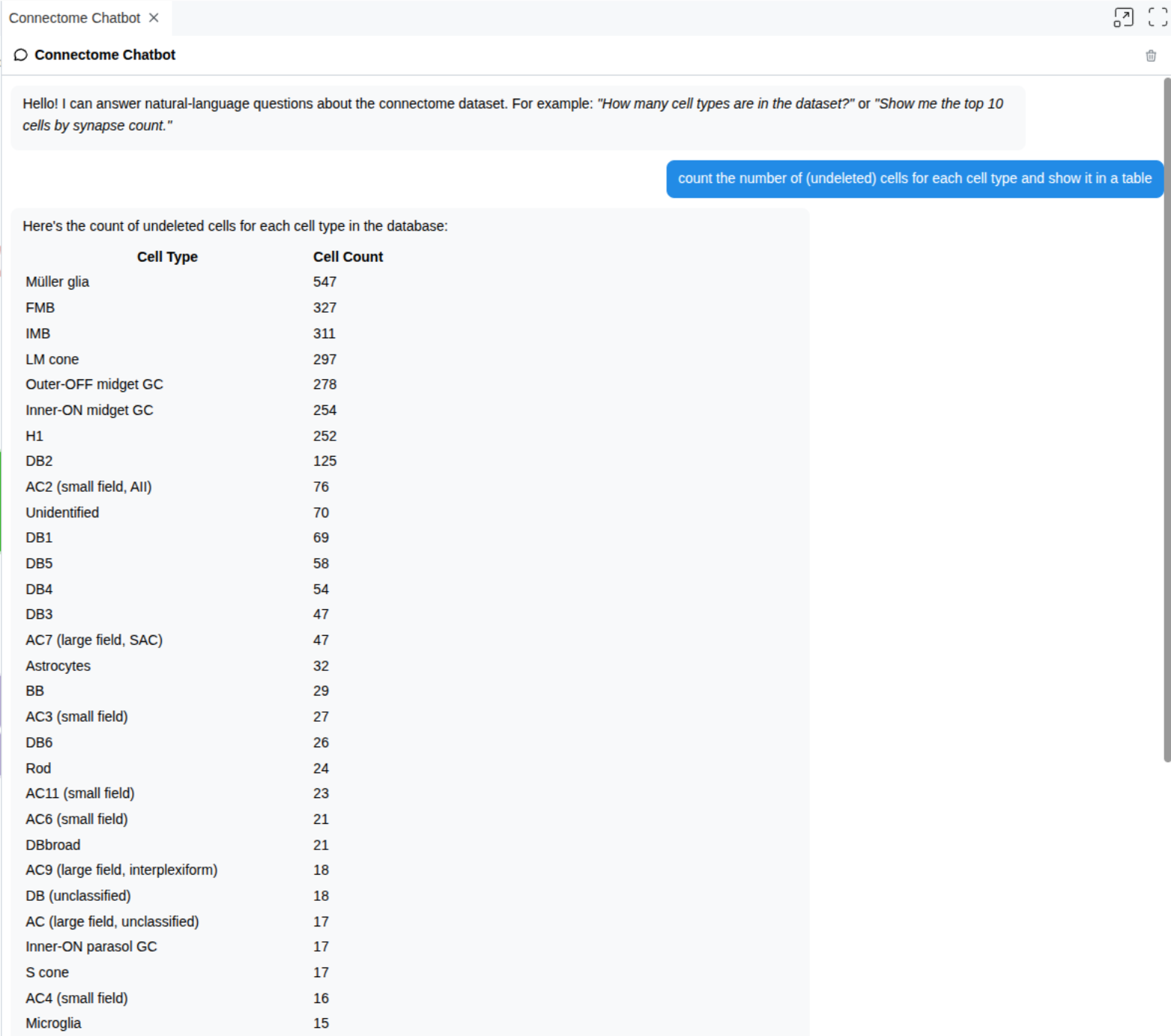
A large-language-model-powered chatbot that answers questions about the connectome dataset. It translates natural-language questions into database queries.
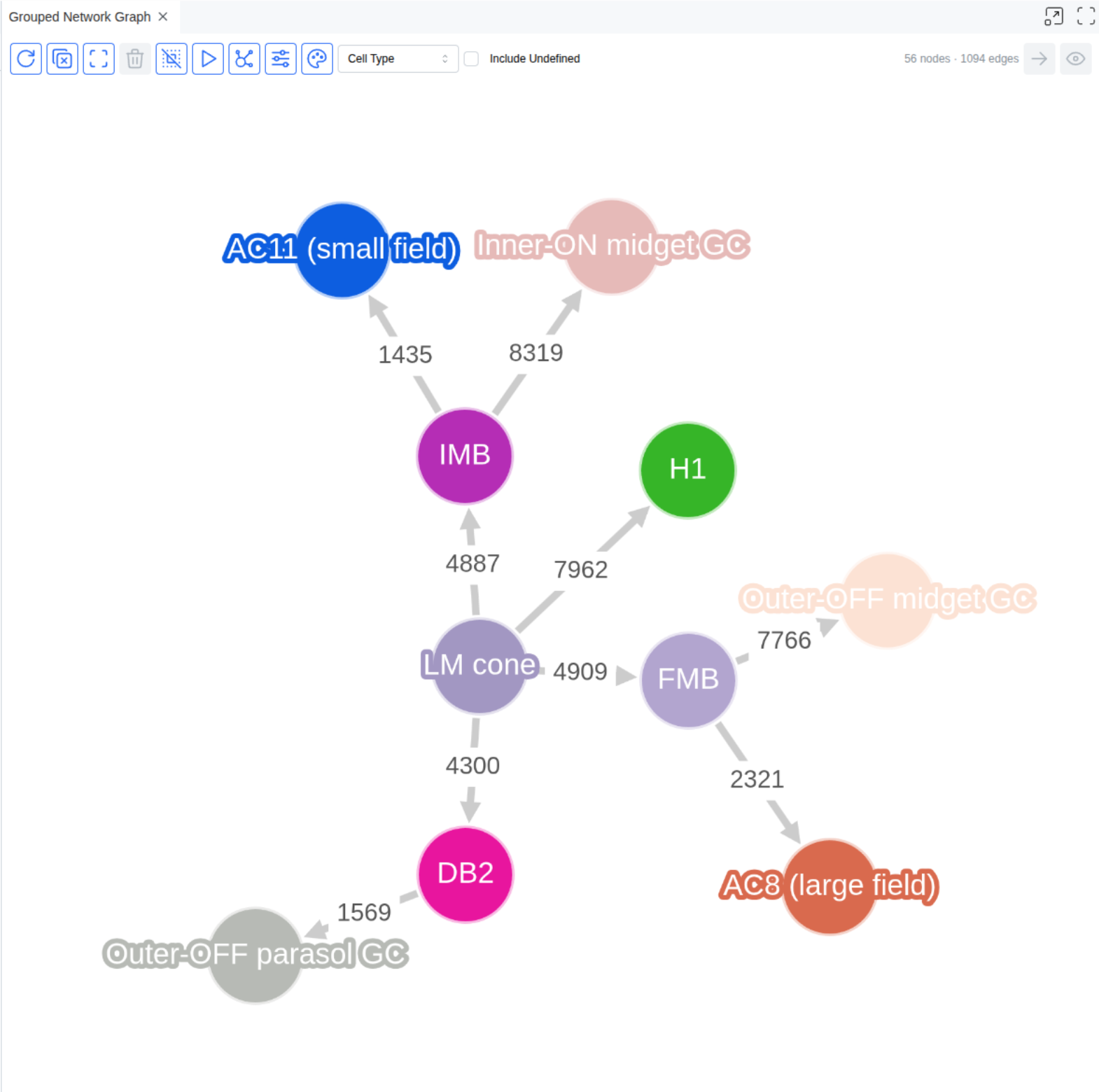
Aggregate connectivity graph grouped by cell type or class.
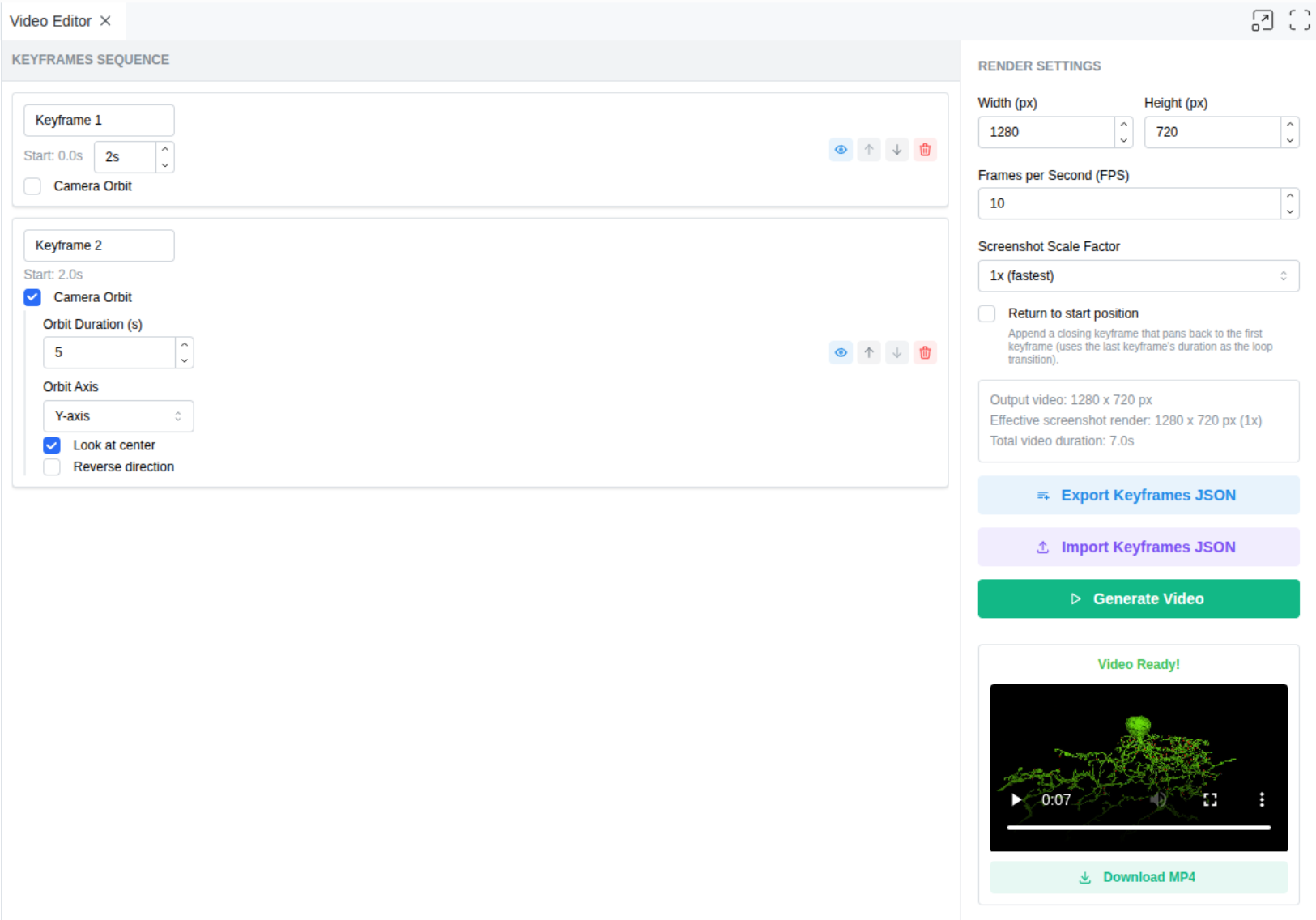
Create and export Neuroglancer keyframe animations as videos.
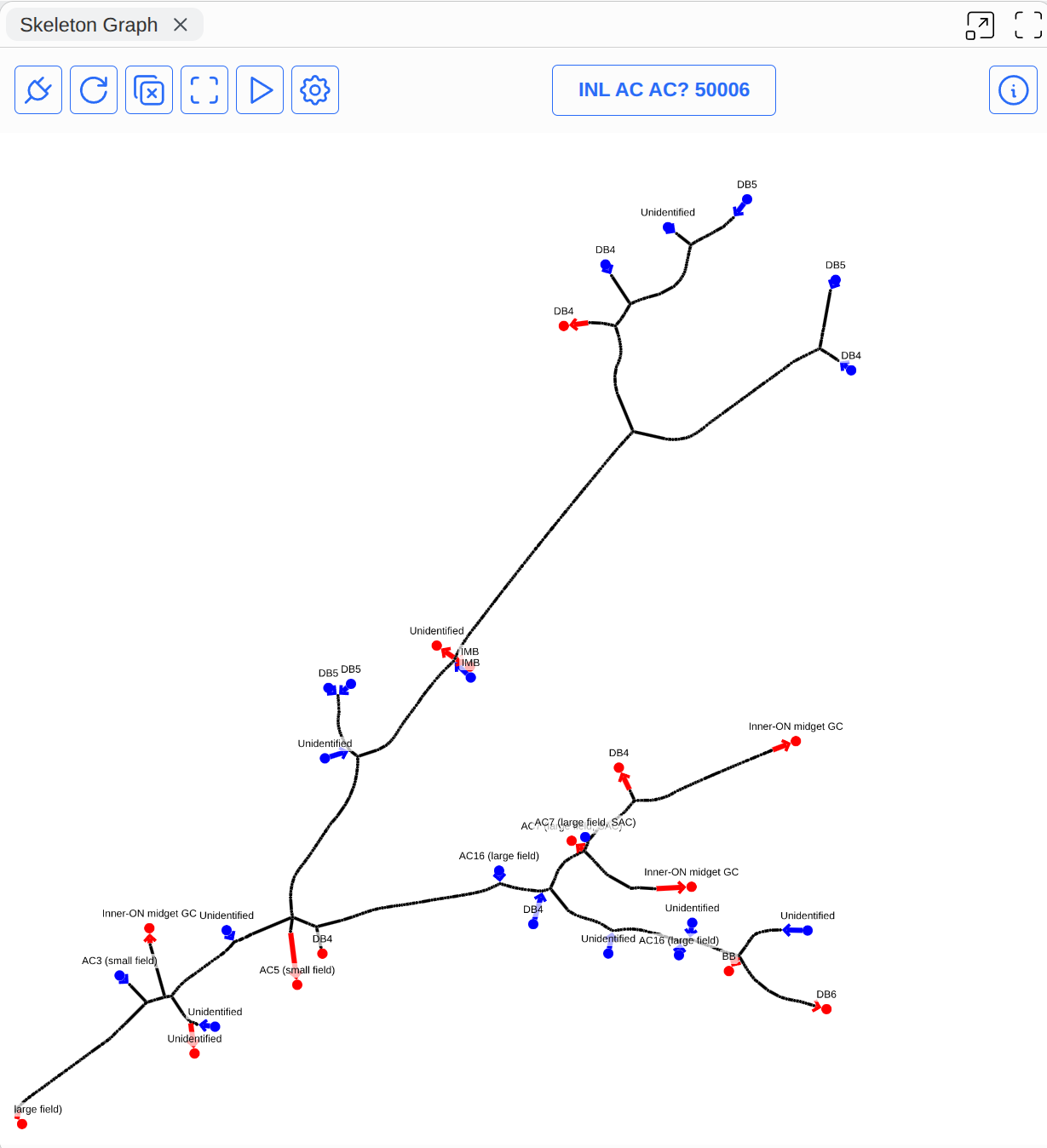
Computes a skeleton from the neuron mesh, maps synapses to skeleton nodes, and projects the 3D structure into 2D using a Maxent-Stress layout.
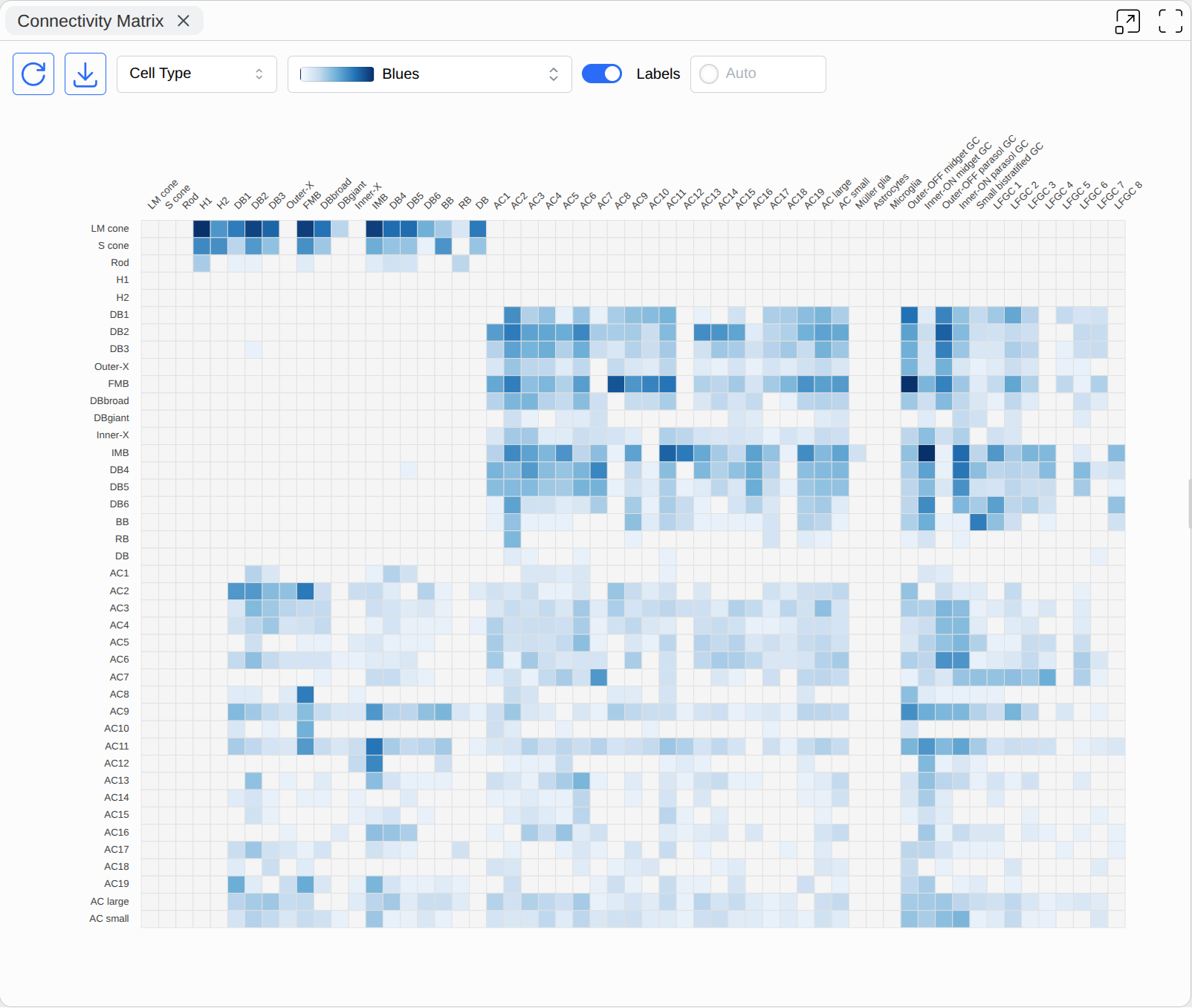
Renders a heatmap matrix of synapse counts with cell types or cell classes on both axes. Supports group-by selection and choice of colormaps.
Collaborative Proofreading Projects
Empower proofreaders, annotators, and researchers to correct reconstruction errors and build high-quality wiring diagrams. Track daily edits, share progress, and coordinate edits directly on CAVE-enabled datasets.
Segmentation Proofreading Workflows
Tools for visual verification, tracking workspace changes, segment isolation, and validation of cell reconstruction.
User Accounts and Permission
Role-based access controls to securely manage workspace layouts, edit permissions, and database operations.
Integration with CAVE
Robust connection with Connectome Annotation Version Engine backend for dynamic, real-time revision of segmentation states.
Synapse Annotations and Review
Tools to dynamically query, highlight, review, and manually verify pre- and post-synaptic sites directly in 3D.
Volume Annotations (WiP)
Upcoming features to interactively paint, fix, and annotate 3D voxels for rapid mesh edits and localized proofreading.
Supporting Cell Typing (WiP)
Structured workflows to categorize, tag, and assign cell classifications based on morphology, connectivity, and reference atlases.
Widgets for Proofreading Workflows
Specialized interfaces for identifying segmentation errors, validating connections, and managing annotation tables
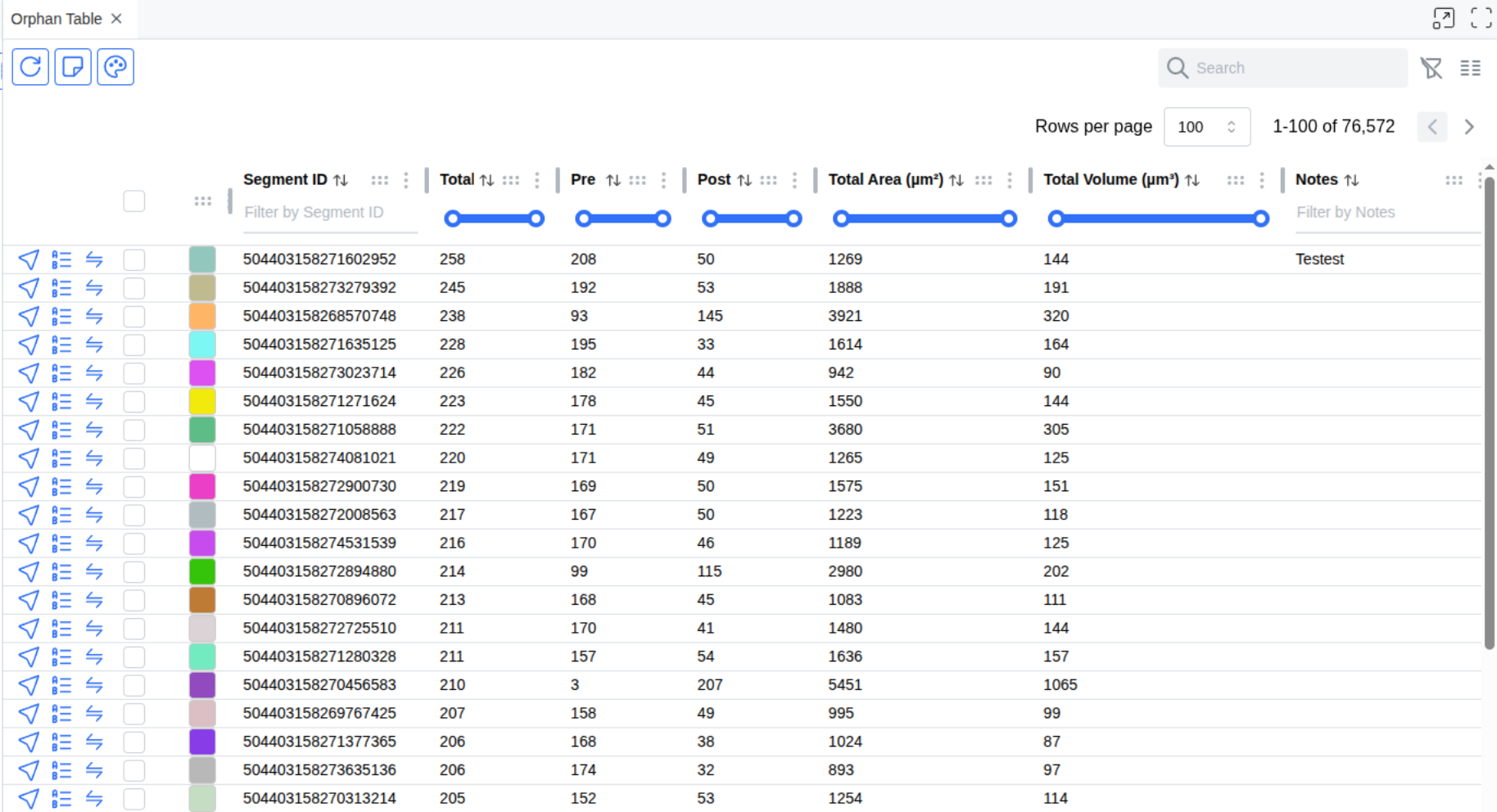
Lists orphan segments — neurite fragments that have synaptic connections but have not yet been assigned to a named cell.
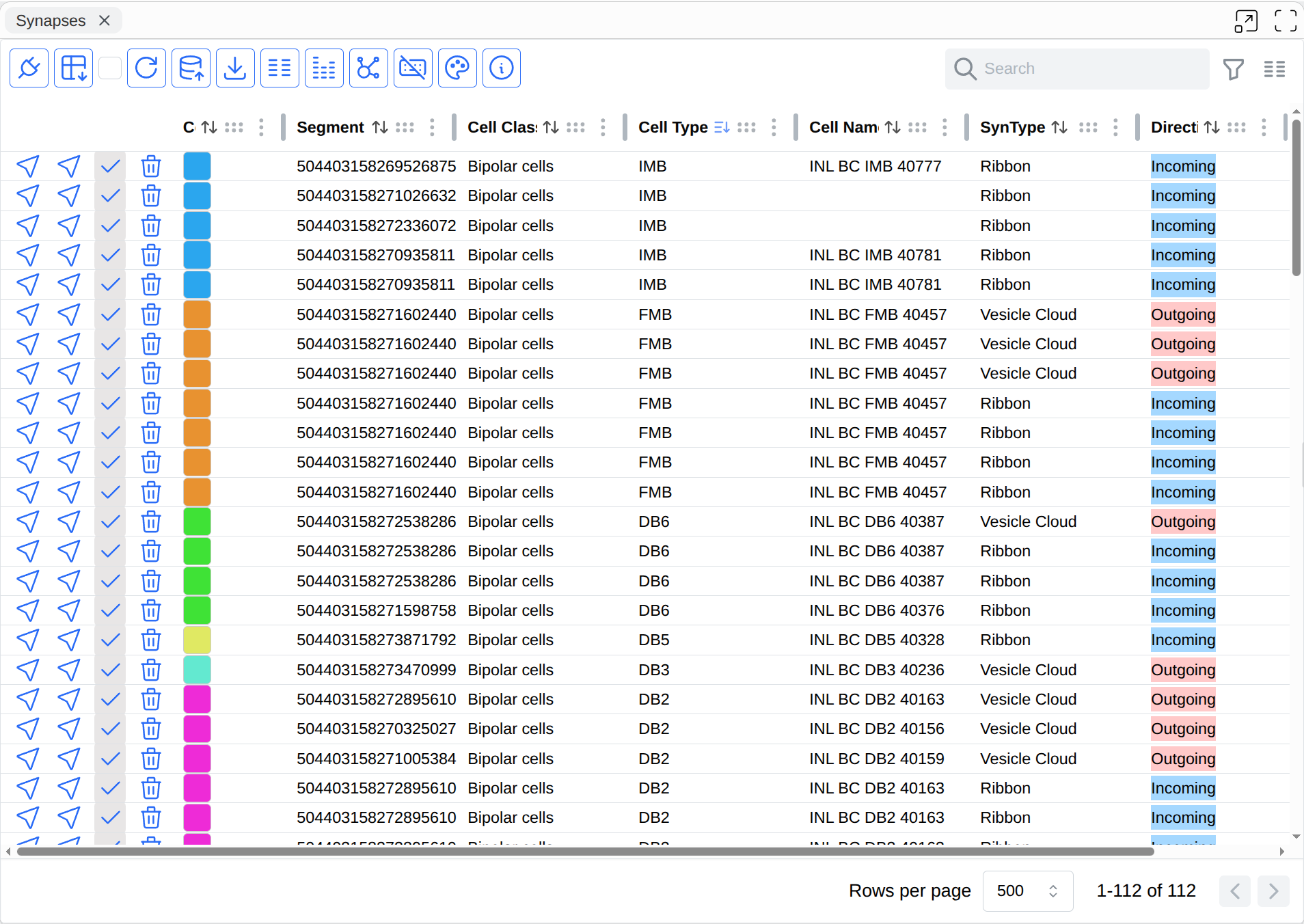
Create and manage point/line annotations with Neuroglancer integration, syncing annotations between Neuroglancer and the backend.
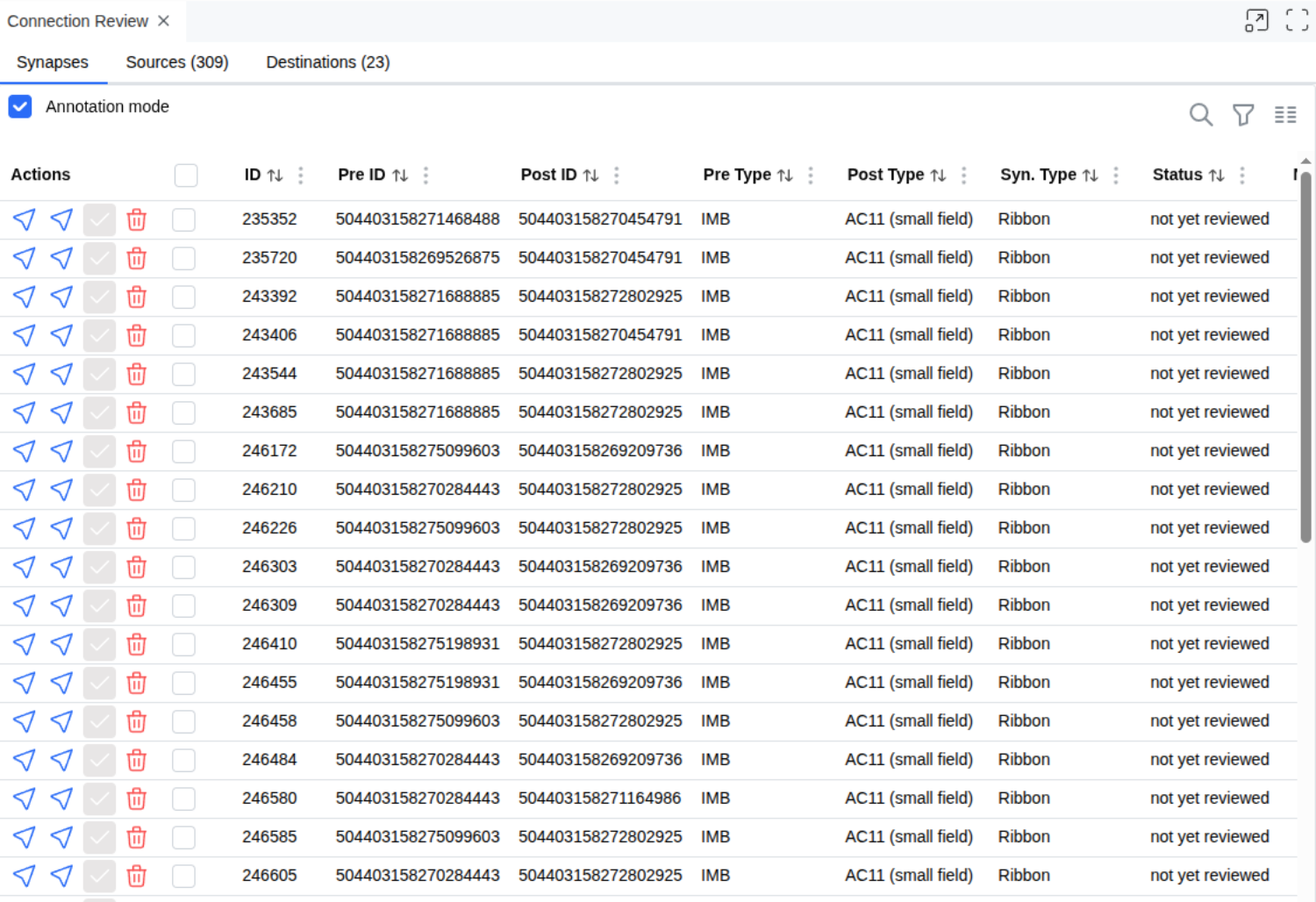
Enables targeted review of synaptic connections between sets of presynaptic and postsynaptic cells to target proofreading effort.
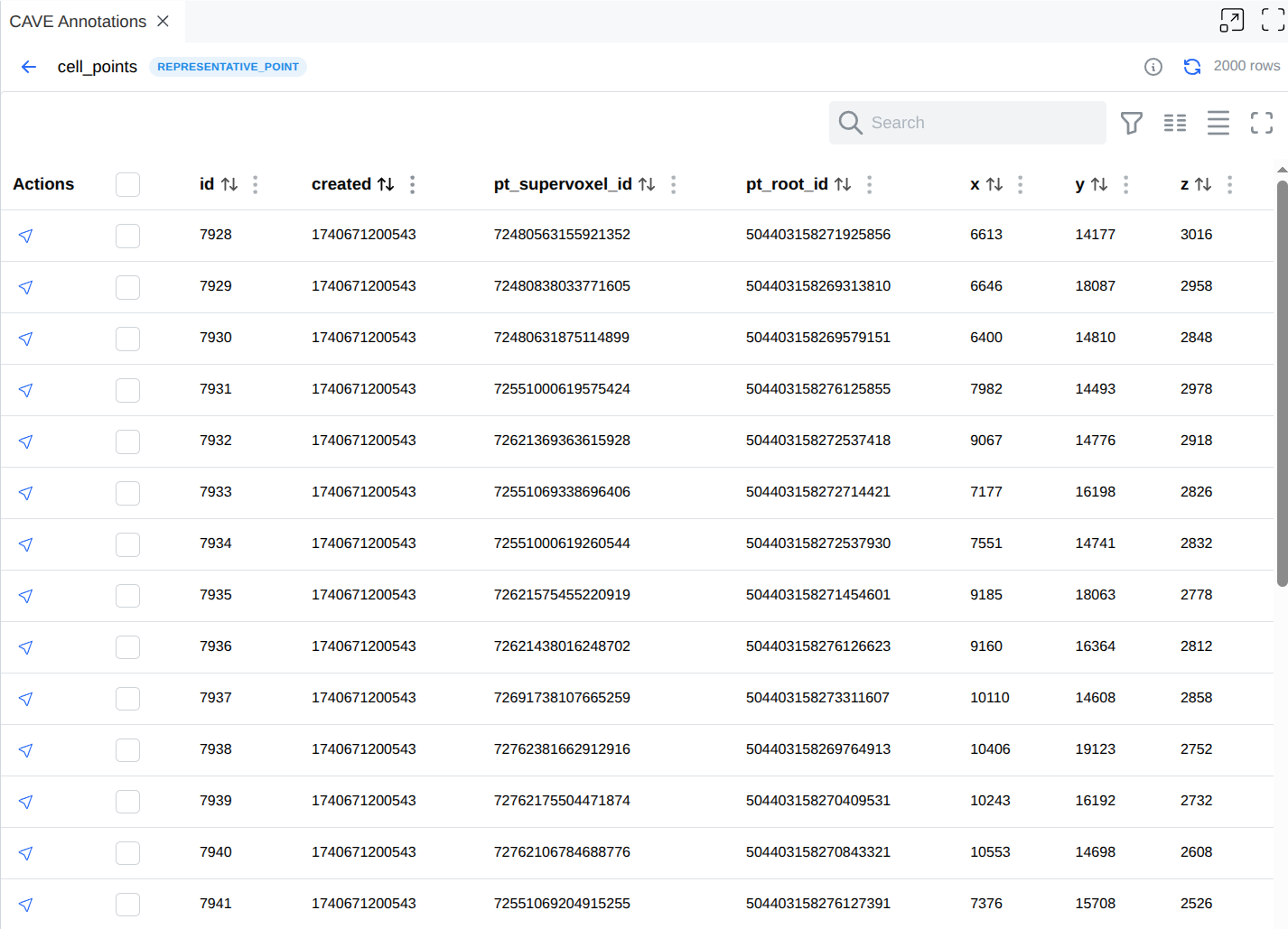
Get an overview of available annotation tables in CAVE, with support for filtering, sorting, searching, and jumping to coordinate states.
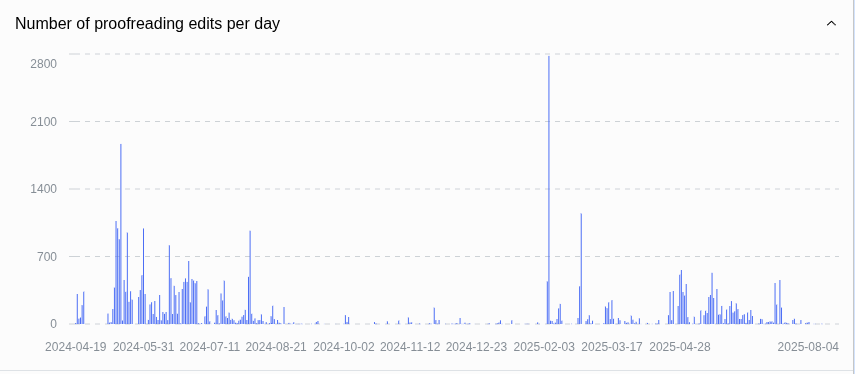
Fetches proofreading edit history from the backend and displays the number of edits per day as a bar chart to track progress over time.
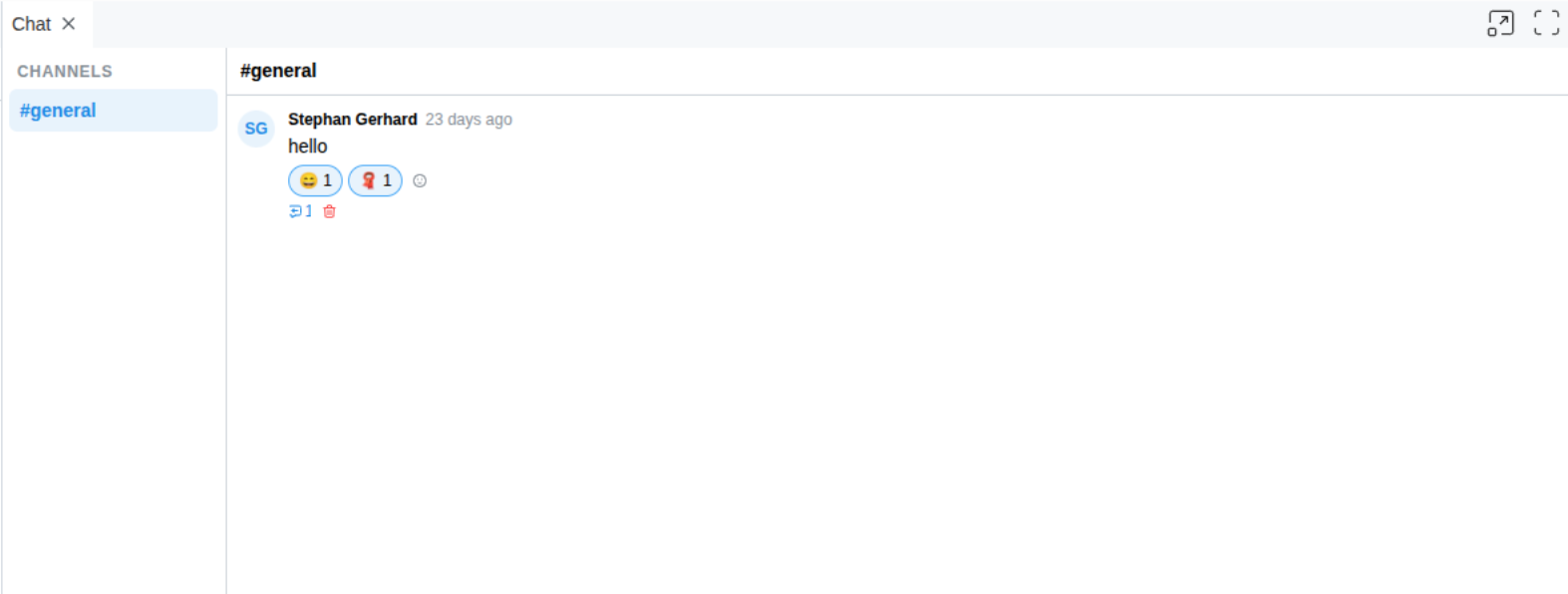
A real-time chat widget for general discussion, collaborative note-taking, and community questions about shared datasets.